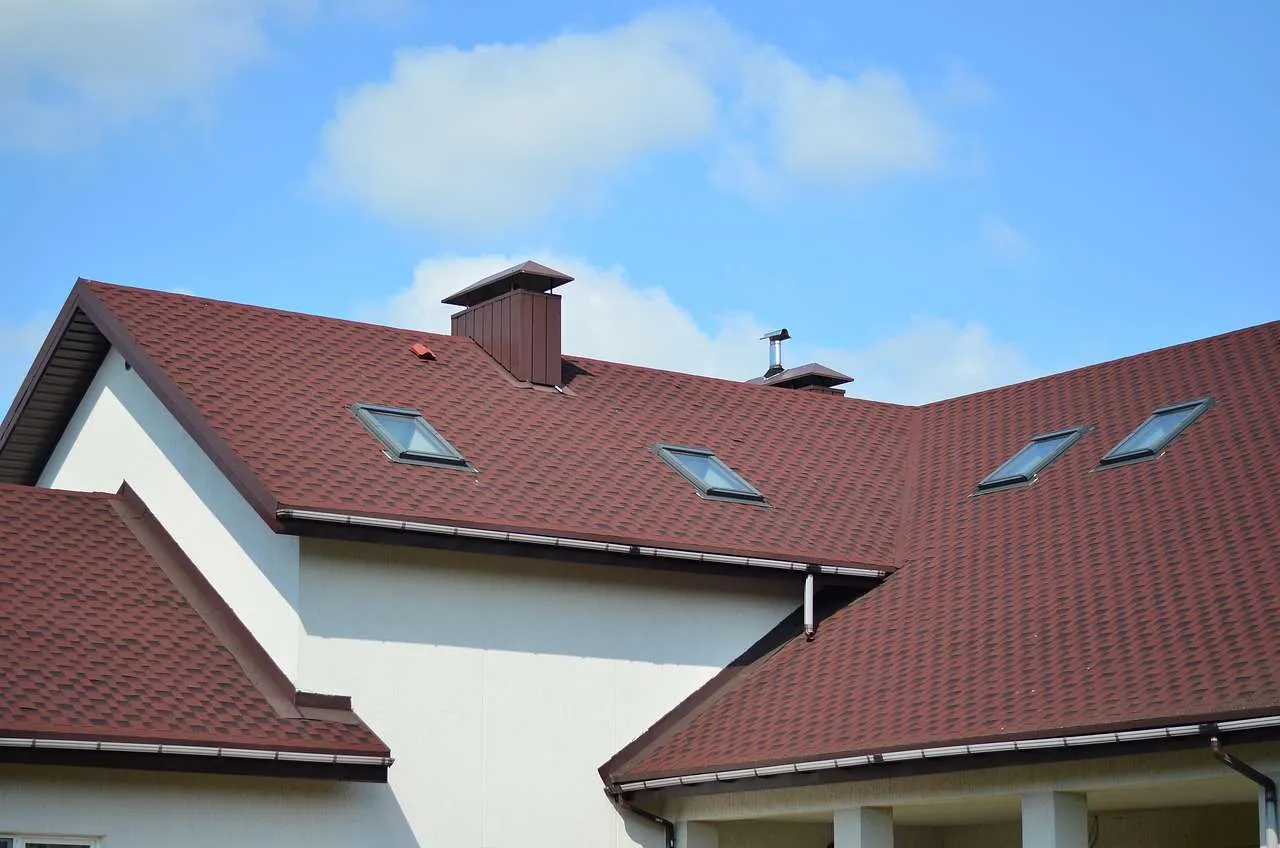
As a homeowner, understanding roofing and roof repairs helps protect your home, comfort, and budget. This guide presents practical insights from seasoned roofing professionals, focusing on expertise, credible practices, and trustworthy contractor selection. You will learn how to identify issues, decide between repairs and replacement, and work with licensed professionals to maintain a watertight roof.
Understanding Roofing and Why Roof Repairs Matter
Roofing is the system that shields your home from weather. Roof repairs fix leaks, replace damaged shingles, reseal flashing, and restore ventilation. Addressing problems early reduces interior damage, preserves insulation, and extends the roof's life. A proactive approach demonstrates EEAT — experts sharing clear, evidence-based advice and standing behind workmanship with warranties and transparent communication.
Common Roofing Issues
Typical problems include missing or damaged shingles, curling edges, and visible granule loss on asphalt roofs. Flashing around chimneys and vents can corrode or lift, causing leaks. Ice dams, moss growth, and poor attic ventilation may accelerate wear. A professional inspection helps identify hidden damage and ensures proper ventilation, drainage, and flashing are in place.
Repair vs Replacement: When to Choose
Not every problem requires a full roof replacement. Consider the roof’s age, extent of damage, and the cost-to-benefit ratio. If more than 30 to 50 percent of the roof is damaged or the shingles are brittle beyond repair, replacement may be more economical. For small leaks or localized damage, targeted repairs are often sufficient and much less disruptive.
Materials and Methods for Roof Repairs
Common materials include asphalt shingles, metal panels, and tile. Repairs may involve resealing flashing, replacing a few shingles, or patching a damaged area with compatible materials. In many cases a shingle granule loss can be addressed with sealants or overlays, but long-term durability depends on proper installation and drainage. A licensed roofer will assess underlayment, ventilation, and local code requirements to ensure a durable fix.
DIY vs Professional Roofing
DIY repairs can be dangerous and is generally not recommended for pitched roofs or complex damage. Falls, ladder accidents, and improper repairs can void warranties and create more costly problems. Hiring a licensed professional offers safety, compliance with codes, documented warranties, and confidence that workmanship meets industry standards.
Choosing a Roofing Contractor
Look for licensed and insured roofers with local references and a written estimate. Check for factory certifications and years of experience in your climate. Ask about warranty coverage for both materials and labor, and request a detailed scope of work and completion timeline. Verify OSHA safety practices and review recent client testimonials to gauge reliability and communication quality.
Costs, Timelines, and Warranties
Estimate ranges vary by material and region. Minor repairs may cost a few hundred dollars, while a full roof overhaul can run into several thousand. Expect distinct charges for labor, materials, removal, and disposal. A reputable contractor provides a clear schedule, protects your property during work, and offers a workmanship warranty that complements manufacturers warranties.
Maintenance and Preventive Tips
Maintain a long roof life with regular inspections after severe weather, clean gutters, trim overhanging branches, and ensure attic ventilation is adequate. Remove debris from valleys and skylights, and address any signs of moisture promptly. Proactive maintenance reduces the frequency of major repairs and helps preserve energy efficiency.
| Criterion | Roof Repair | Roof Replacement |
| Lifespan after work | Several years to a decade depending on material | Many decades with proper maintenance |
| Typical cost per square foot | 3 to 6 | 5 to 15 |
| Disruption | Low to moderate | High |
| Best use | Localized damage or aging repairs | Extensive damage or old roofs |
Summary: This article covers when to repair or replace, how to select a contractor, essential maintenance, and cost considerations, ensuring safe, reliable roof performance for your home.